

Let’s face it: when a banana starts to develop small brown spots, many of us hesitate. Should we eat it? Should we cook it? Or should we leave it alone? Yet, behind these shades of yellow and brown lies a real, almost natural metamorphosis that few people are truly aware of. What if these color changes say much more than “I’m ripe”? You might be surprised to discover what it means for your well-being… and your everyday recipes.
How a banana really changes as it ripens
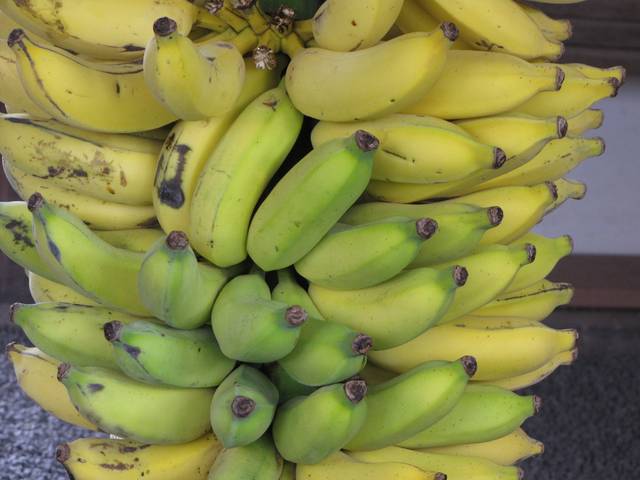

Initially bright green and firm, a banana is primarily composed of starch, a kind of dormant energy reserve. Over time, this reserve is naturally transformed into simpler, sweeter sugars. As a result, the banana becomes softer, more fragrant, and much more pleasant to eat.
This process is also accompanied by a gradual increase in antioxidants, the fruit’s natural “protectors.” In short: the riper it is, the sweeter it is… and the more nutritious it is.
Why a brown banana is often easier to digest

And since they retain a good amount of fiber, they naturally contribute to healthy digestion. The perfect combination for those who like a light diet without sacrificing taste.
