
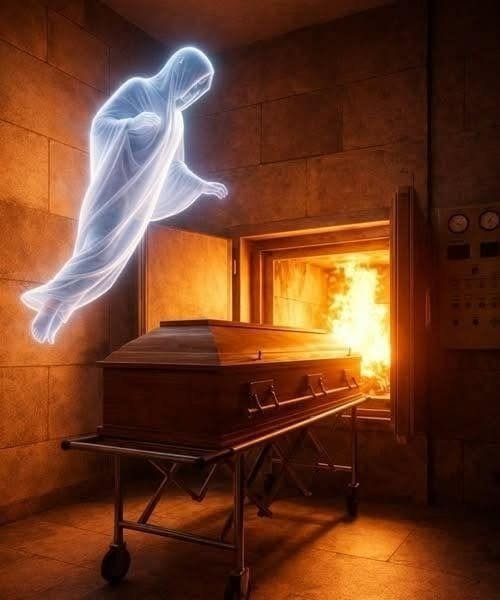
Se menciona la cremación, pero no se la condena:
En 1 Samuel 31:12-13, los cuerpos del rey Saúl y sus hijos son quemados (probablemente para evitar la profanación por parte de los enemigos), y luego sus huesos son enterrados. Este acto se describe de forma objetiva, no como un pecado.
En Josué 7:25, Acán es apedreado y quemado como castigo divino, pero este es un caso único de castigo, no un modelo para la muerte ordinaria.
Punto clave: La Biblia registra el entierro como una práctica común, pero nunca lo eleva a la categoría de ley moral.
Key point: The Bible records burial as the common practice—but it never elevates it to a moral law.
Why Some Christians Have Opposed Cremation (Historically)
Resurrection concerns: Early Christians believed the body would be physically raised (1 Corinthians 15). Some feared cremation might “interfere” with God’s power to resurrect—which, of course, it cannot. As theologian Tertullian wisely wrote, “God can raise ashes as easily as dust.”
Pagan associations: In Roman times, cremation was linked to pagan rituals that denied bodily resurrection. Christians chose burial as a witness to their hope in the resurrection—not because burial was commanded, but because it testified to their faith.
Denominational tradition: The Roman Catholic Church discouraged cremation until 1963 (when it was formally permitted), and even today expresses a preference for burial. Many Protestant groups have no official stance, leaving the choice to individual conscience.
